Bountiful Health | A Boutique Therapy Practice
Relationships & Boundaries Therapy
in Orinda
In-person in Orinda / Online across California

For women, especially in midlife, who put everyone else's comfort ahead of their own.

SOUND FAMILIAR?
Plenty of people count on you, but very few know what you need from them.
Your mother makes the same comment she's made for years. You smile, change the subject, and spend the rest of the visit a little tense.
So why is it still so hard to say something?
At work, you take on one more project before checking your calendar. When a friend cancels for the third time, you text back "No worries, totally get it," even though you rearranged your week for her.
When your partner is slow to reply, you check your phone again and again, wondering if something's wrong between you. And when someone new starts getting close, part of you is glad and part of you starts finding reasons to be busy.
You might be noticing that…
you feel guilty for hours after turning someone down, even when the request was unreasonable.
resentment builds up until it spills out over something small, and then you feel bad about that too.
you wonder whether your needs are too much, so you keep most of them to yourself.
you brace for people to lose interest, even in relationships that have been solid for years.
It often starts as a strength.
You're thoughtful, flexible, and quick to sense how other people are feeling. The trouble is, it tends to run one way, and your own wants keep getting pushed aside.
Maybe you've watched the same story play out for years, with friends, partners, and family, and you've started to wonder: Why do I end up in the same place with different people? Why does asking for something small feel so big? If I stopped going along with everything, would people still stay?
I don't see any of this as something wrong with you. Making things easy for others has probably helped you stay close to people for a long time. It just tends to leave you out of the picture.
Relationships and boundaries therapy, in person in Orinda or online across California, helps you start making room for yourself in your relationships.
HOW IT WORKS
Boundaries aren't walls, and learning to set them doesn't mean caring less.
It means getting to know your patterns well enough to choose something different, so your relationships can feel more honest and secure. In relational, depth-oriented therapy, that happens in three ways.
My Approach to
Relationships & Boundaries Therapy
Notice the pattern.
We pay close attention to the split second when you agree to something before you've checked how you feel, like offering to host the holidays again or laughing off a comment that stung. Once you can catch that moment, you can start to pause in it.
Understand where it started.
Many people learned early that keeping others happy was the surest way to stay close, or that their own feelings made things harder for everyone. We trace how those first relationships shaped the way you handle closeness and conflict now.
In our sessions, you might tell me when something I said didn't sit right, and find that being honest brings us closer instead of pushing me away. The more you experience that, the more natural it feels to take the same chance with your partner, family, and friends.
Experience something different.

Together, we explore:
-
When yes comes out automatically and your own preferences barely come up. We look at what you're afraid might happen if you stopped.
-
When a visit home leaves you drained, or you slip into an old family role the minute you walk in. We figure out what kind of relationship you want with them now.
-
When closeness brings a fear of being left, or an urge to pull away once someone gets close. We look at what helps you feel more secure.
-
When the same dynamic keeps showing up with different partners, friends, or coworkers. We look for what ties them together and what keeps drawing you back in.
-
When adult children, aging parents, and a long marriage all need something from you at once. We sort out what you want to keep giving and where to draw the line.
WHAT CHANGE CAN LOOK LIKE
Over time, you may notice that…
✓ you can say "let me think about it" instead of an automatic yes.
✓ you can be with someone who's upset without needing to fix it.
✓ you ask for what you want and trust the relationship can take it.
✓ disagreements feel less like a threat and more like part of being close.
✓ the people you love get to know the real you, not just the easy version.
WHO THIS IS FOR
This may be a fit if you…
want real change, not just communication scripts and quick tips.
aren't sure what you need yet, only that something in your relationships has to change.
are curious about what the family you grew up in taught you about closeness.
would like to take things one step at a time and set your own pace for hard conversations.
Other Ways I Can Help
What happens between you and other people rarely stays there.
Struggles with closeness and boundaries are often tied to self-doubt, the changes midlife brings, ongoing worry or low mood, or a major life change.
You might also want to explore:
Self-Esteem & Identity Therapy →
For self-doubt, a harsh inner critic, and feeling like you're never quite enoughMidlife Transitions Therapy →
For women in midlife facing an empty nest, an aging parent, or a changing marriageHigh-Functioning Depression & Anxiety Therapy →
For overthinking, constant pressure, and feeling down even on good daysLife Transitions Therapy →
For a specific change at any stage of life, like a move, a breakup, or a new role
RELATED SPECIALTIES
MEET ANITA
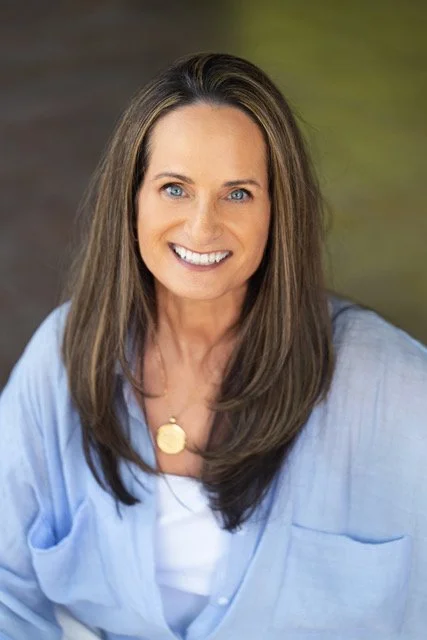
Hi, I’m Anita.
“The people I work with are typically thoughtful, reflective, and harder on themselves than they need to be. They've already thought things through in their heads. What they haven't had is a place to actually feel it.”
So many women are wonderful at making others feel cared for, and much less used to receiving it. Watching someone learn they can speak up and still be loved is one of the best parts of my work.
I don't work from a script. We follow what's on your mind, and I draw on attachment-based therapy to understand what's underneath it.
I keep my caseload small on purpose, so I have the time and attention to really get to know you.
FAQs
Frequently Asked Questions
About Relationships & Boundaries Therapy
-
It's a real worry, and some relationships do change when you start speaking up. More often, the people who matter adjust, and things between you get more honest. We start with smaller moments, one conversation at a time, and look at whatever comes up for you along the way.
-
Yes. You can't control how other people act, but you can change your part in the pattern, and that often changes the whole dynamic. Many people find that once they respond differently, the people around them do too. Your partner or family doesn't need to come to sessions for this work to help.
-
Attachment patterns are the ways of seeking and handling closeness that you learned in your earliest relationships. You may hear them described as anxious, avoidant, or secure. As an adult, they shape how quickly you open up, how you respond to conflict, and how much reassurance you need to feel okay. They're learned, which means they can change.
-
They're closely connected. Relationships and boundaries work looks at what happens between you and other people: agreeing too quickly, holding back what you need, or worrying that people will leave. Self-Esteem & Identity therapy looks inward, at the inner critic and the sense of never being enough. Most people notice some of each, and we can start with whichever feels more pressing.
-
No. This is individual therapy, focused on you and the way you relate to the people in your life. That includes partners, but also friends, family, coworkers, and your relationship with yourself, since these patterns rarely stay in one place.
-
Not at all. Many of my clients are women in midlife, often with decades of these patterns behind them, which is why this page speaks to them. Boundaries can feel hard at any age, though. If this sounds like you, I'd be glad to hear from you.
GET IN TOUCH
Being close without losing yourself is possible.
To get started,
fill out the Consultation Request Form.
I'll reply within two business days to set up a free 20-minute consultation, where you can ask about fees, scheduling, or anything else on your mind.